
The safe, timely, and compliant transport of infectious substances is a cornerstone of an effective national laboratory network, directly influencing disease surveillance, diagnostics, and outbreak response. Any lapse in classification, labeling, or packaging not only breaches international regulations but also endangers public health, transport personnel, and the environment. To address this, the Philippine Department of Health (DOH), through the Office for Health Laboratories, has prioritized the institutionalization of regular IATA Dangerous Goods Regulations (DGR) Category 6 training as part of the National Laboratory Strategic Plan (NLSP) 2025–2030.
By engaging a certified IATA training provider recommended by Sandia National Laboratories in Albuquerque, NM, US, i.e., the BioRisk Association of the Philippines 2015, Inc. (BRAP2015), this initiative ensures that laboratory staff, couriers, logistics personnel, and regulators gain the technical expertise and internationally recognized certification required to ship infectious substances safely. More than compliance, this effort strengthens the Philippines’ laboratory-based surveillance system, enhances diagnostic capacity, and fortifies outbreak preparedness—aligning national practice with WHO biosafety guidance and the International Health Regulations (IHR 2005).
Notable achievements of the training
- Strengthened National Compliance: Ensured laboratory and logistics personnel received IATA Category 6 certification, aligning the Philippines with international biosafety and transport standards.
- Enhanced Outbreak Preparedness: Improved the country’s capacity to safely and rapidly transport infectious substances, directly supporting disease surveillance, diagnostics, and emergency response.
- Institutionalized Training for Sustainability: Laid the groundwork for regular, system-wide IATA DGR training as part of the DOH National Laboratory Strategic Plan 2025–2030, ensuring long-term impact across all health system levels.
Subject Matter Experts & BRAP Organizing team*
Mr. Ariel Angelo B. Aquino*
Prof. Oliver Shane R. Dumaoal
Mr. Larry Jay B. Langaman
Dr. Miguel Martin N. Moreno II
Mr. Ronaldo E. Puno
Dr. Jose M. Obedencio, Jr.
Summary of Sessions
(1)Luzon, (2) Visayas and (3) Mindanao Sessions with Participants attendance and class honor rolls.
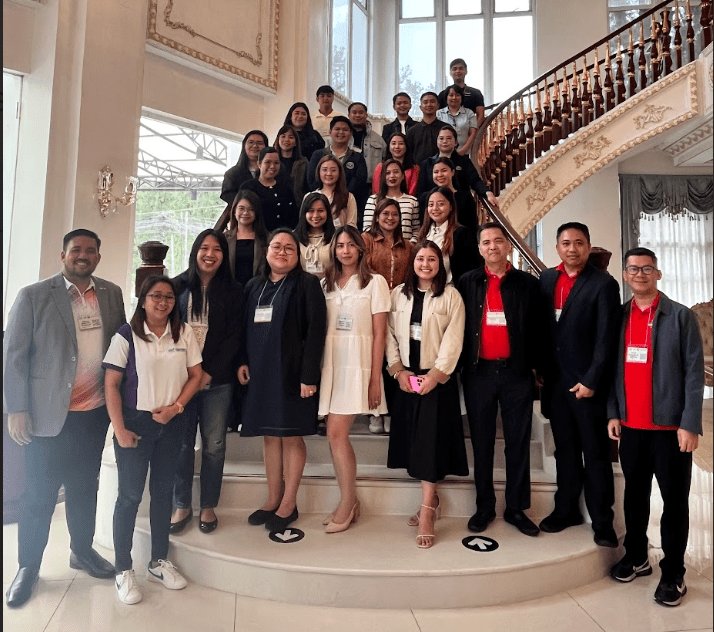
1. Luzon session, July 22-24, 2025 @Laafayette Hotel, Baguio City
| Names of Participants who COMPLETED the training and PASSED the Certified Shipper exam: | HONOR ROLL |
| Audrey Mae S. Cayabyab, Kyna Veronica Mago SilvanoJennica G. Ocampo, Dexter D. Sangalang, Eline C. De VeraHeidee Maniago, Angela Kaye T. Reyes, Chin-Chin C. Isla, Charmaine Dela Cruz MagnoJuvy, Jireh C. Repolidon, Madelyn D. Aliba, Gabriel Neil C. Sia, Vince Lester M. Lata, Maria Clarissa G. Dela Cruz, Anne Loraine R. Lumayag, Arianne Angel C. Castro, Hazel C. Guevarra, Jerome A. Lavadia, Divina Grace T. Guzman, Emmanuel V. Magayo, Camille Joy Culong, Leodymar Jorduela, Shenah Clarisse Cuison, Norielyn . | Valedictorian: Audrey Mae S. Cayabyab Salutatorians: Leodymar Jorduela Chin-Chin C. Isla |
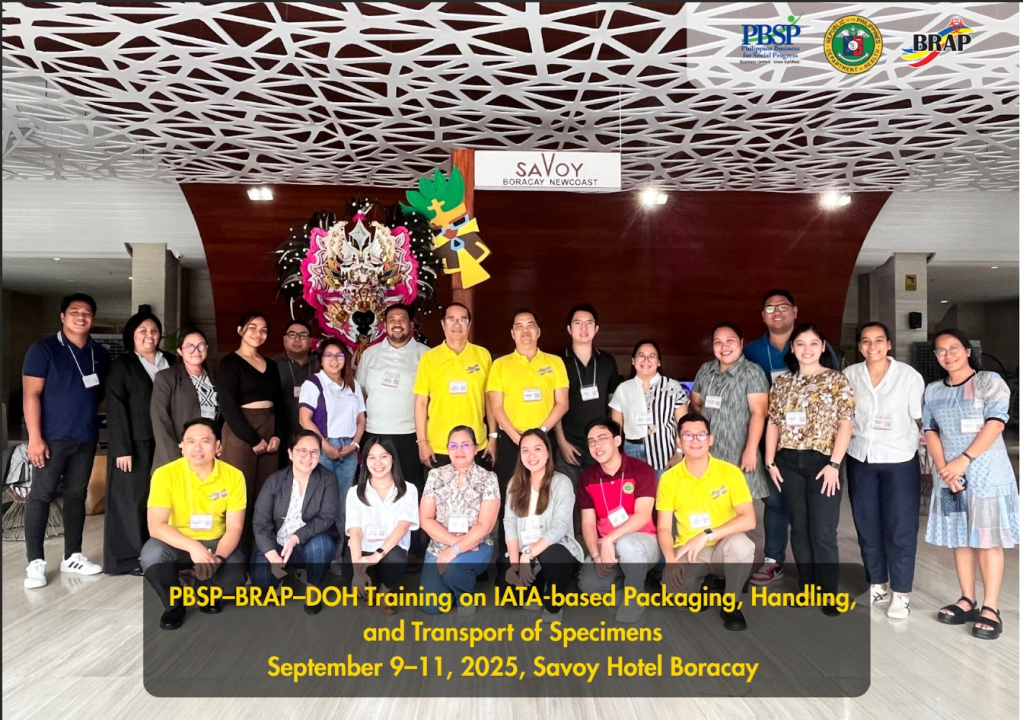
2. Visayas session, September 9-11, 2025 @Savor Hotel Boracay, New Coast, Boracay
| Names of Participants who COMPLETED the training and PASSED the certifying exam: | HONOR ROLL: | |
| Peter T. Hao, Jennifer Aubrey M. Luib, Chris Anne D. Macaluyos, Marivic H. Dalen, Shirlyn C. Zamoras, Pauline J. Carmona, Kim P. Araneta, Maria Cecilia G. Pan, | Melinda C. Alecha, Cliff Michael G. Gubat, Alvin Duazo, Mario Ivan G. Gonzales, Fiel Luis Dela Cruz, Trisha May Sarabia, Carmelli Valeza, and Kiara Marithe Maravilles | Valedictorian: Marivic H. Dalen Salutatorian: Chris Anne D. Macaluyos |
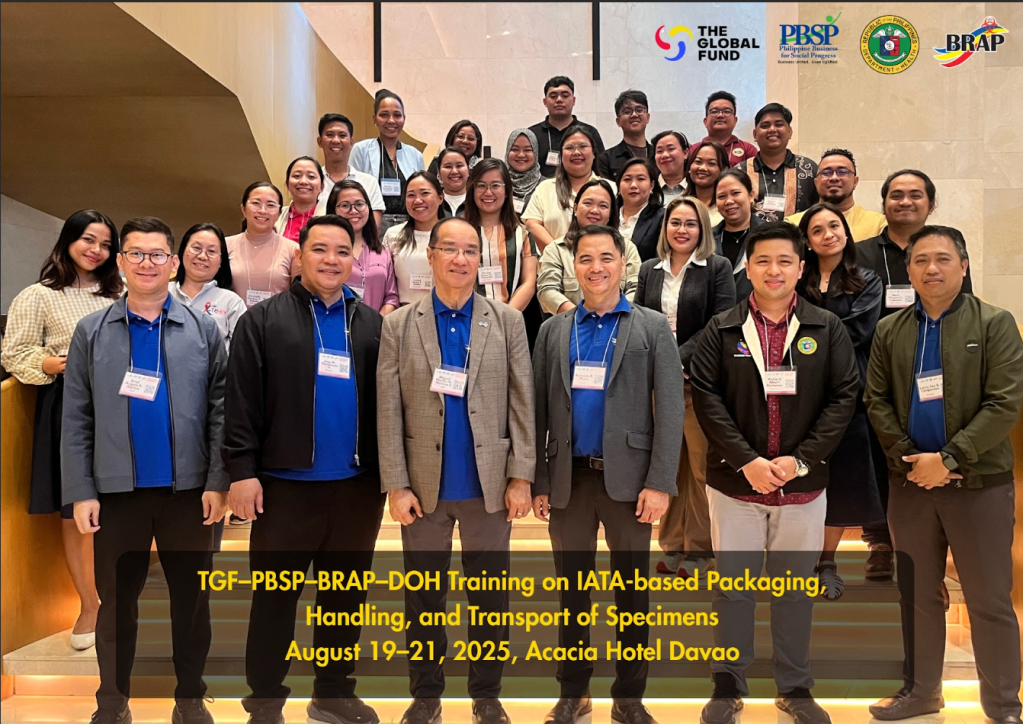
3. Mindanao session: August 19-21, 2025 @Acacia Hotel, Lanang, Davao City
| Names of Participants who COMPLETED the training and PASSED the certifying exam: | HONOR ROLL: | |
| Ed Justine S. Sarabia, Kathleen R. Gecosala, John Enrilou L. Go, Vence Christian C. Viña, Christelle Clarisse S. Saludo, Jeldjeann B. Seno, Denver Ukay Leopardas, Honey Lee M. Delfin, Suhaya D. Mackno, Rachel Joy F. Pasion, Keena Kandise Shailini O. Dajao, | Joan Guevara, Aira Faith S. Runas, Darianne Mae B. Tubilan, Tara Katrina V. Arellano, Robert James B. Lobino, Shirley Dawn G. Pimentel, Leobel Grace T. Bueno, Marie Constance C. Laganson, Chris Andrei Cruz, Roselle Princess R. Catalua, and Mark Vincent G. Cabanlit. | Valedictorian: Vence Christian C. Viña Salutatorian: Roselle Princess Cataluña and April Queen Marie Crabajales |
Consolidated Module Report
Across multiple modules, participants were equipped with the knowledge and skills required to manage every step of infectious substance transport—from hazard recognition to final shipment arrangements. Training began with risk communication and classification of specimens (Categories A, B, exempt, and non-regulated), followed by practical sessions on packaging systems, labeling, documentation, and compliance with IATA Dangerous Goods Regulations. Later modules expanded this foundation by introducing the Shipper’s Declaration for Dangerous Goods, airway bills, and carrier requirements, culminating in the critical step of making proper arrangements, including authorization processes, Material Transfer Agreements (MTAs), and import/export considerations.
Together, these modules built a comprehensive competency framework that allows laboratorians, managers, and logistics personnel to ship infectious substances safely, compliantly, and efficiently, while upholding both biosafety and biosecurity standards.
Key Outcomes of all Modules
- Holistic transport competence: Participants gained end-to-end skills, from classification and packaging to final shipment arrangements, ensuring regulatory compliance at every stage.
- Improved documentation accuracy: Trainees learned to complete Shipper’s Declarations, airway bills, and labeling requirements correctly, reducing errors that delay or compromise shipments.
- Strengthened regulatory and operational readiness: Attendees deepened their understanding of IATA, WHO, and DOH regulations, as well as MTAs and import/export permits, ensuring safe and accountable movement of high-risk specimens.
- Greater accountability in laboratory logistics: By practicing with real-world scenarios and identifying common errors, participants developed a stronger sense of responsibility in safeguarding both public health and institutional credibility.
Way Forward
The recently concluded IATA DGR Category 6.2 training has laid a solid foundation for building a competent and certified workforce capable of ensuring safe and compliant transport of infectious substances in the Philippines. Its impact goes beyond compliance—it strengthens the national laboratory network, accelerates outbreak response, and safeguards public health.
To sustain this momentum, the next steps are suggested
- Institutionalize Regular Training: Establish IATA DGR training as a recurring requirement for laboratory and logistics personnel, ensuring continuous compliance with evolving international standards.
- Expand to Courier and Logistics Staff: Design specialized courier training programs focusing on the safe handling, storage, and delivery of infectious substances, bridging the gap between laboratory preparation and final transport.
- Develop Regional Training Hubs: Conduct future sessions in Luzon, Visayas, and Mindanao to decentralize access and equip provincial laboratorians and couriers, especially those involved in sample referral systems.
- Integrate with National Preparedness Programs: Align future training with the Philippine National Laboratory Strategic Plan (NLSP) 2025–2030, ensuring that specimen transport capacity directly supports disease surveillance, outbreak preparedness, and IHR 2005 obligations.
Promote Advanced Certifications: Encourage participants to pursue refresher and higher-level certifications to maintain technical excellence and prepare trainers who can cascade the training to other institutions. When funding permits, BRAP offers annually, during the BRAP annual Convention, a fully-funded Training of Trainers course, for exam passers with a score of 97-100.
Long-Term Vision
By building on this initiative, the Philippines can establish a nationally recognized, sustainable training pipeline for laboratorians, couriers, and regulators. This ensures that every link in the specimen transport chain— from packaging to final delivery—upholds the highest standards of biosafety, biosecurity, and public health protection. The BioRisk Association of the Philippines 2015, Inc. has the capacity and certification to hold these trainings as needed by our countrymen.
Prepared by:
(Sgd.)
Miguel Martin N. Moreno II
Chair, BRAP Committee on Special Projects
Copy Edited by:
(Sgd.)
Ariel Angelo B. Aquino
BRAP National Secretary
Noted by:
(Sgd.)
Ronaldo E. Puno
BRAP National President

 SAVE THE NEW DATES!




 BioRisk Association of the Philippines 2015, Inc. (BRAP2015)