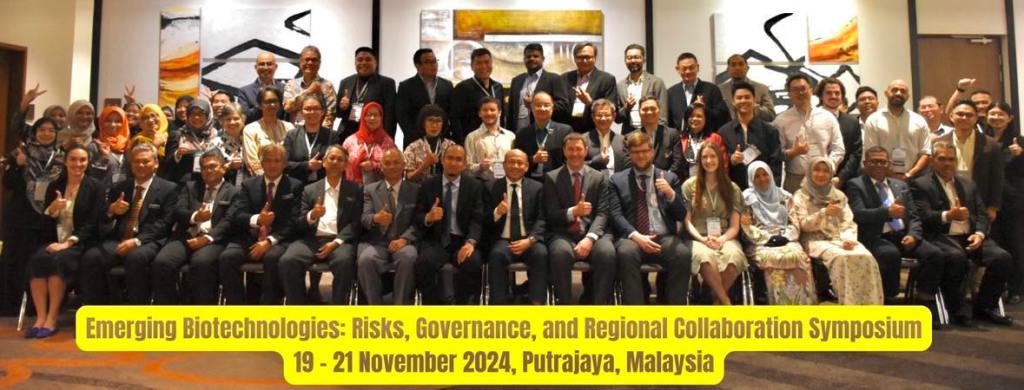
November 19-21, 2024
Putrajaya, Malaysia
The rapidly advancing field of biotechnology, encompassing innovations in genome and protein engineering, multi-omics, neurobiology, and the integration of artificial intelligence, offers significant potential for breakthroughs in the life sciences, public health, and bioeconomy. However, these cutting-edge developments also pose security challenges, as their unregulated application could lead to the misuse or accidental release of dangerous pathogens. Therefore, global cooperation among scientists and policymakers is crucial to effectively identify and manage these biological risks, ensuring that robust oversight is implemented through best practices.
To tackle these challenges, Health Security Partners (HSP), in collaboration with the Science and Technology Research Institute of Defense (STRIDE), the Indonesian Biorisk Association (IBA), and the BioRisk Association of the Philippines (BRAP2015), will conduct a comprehensive review of the dynamic and evolving landscape of emerging biotechnologies. This collaborative effort will take place in a three-day symposium, setting the stage for developing a regional Biological Critical and Emerging Technologies (B-CET) list. This list will pinpoint essential biotechnologies in need of oversight within the region. Additionally, the symposium will facilitate the creation of a complementary guideline that provides strategic recommendations for securing these technologies.

Health Security Partners.
Day 1 Synopsis by Dr. Noel Salvoza:
- Emerging Biotechnologies and Biosecurity: Navigating Challengesnwithin the Framework of the Biological Weapons Convention (BWC)
Roel Walravens, VERTIC
Biological Weapons Definition: Artificially created or altered biological agents and toxins, encompassing all scientific and technological developments in relevant fields. The state obligation is to destroy biological weapons in possession, not transfer or assist in their manufacture.
Biological Weapon’s Convention (BWC): Formally known as ‘The Convention on the Prohibition of the Development, Production and Stockpiling of Bacteriological (Biological) and Toxin Weapons and on their Destruction’. Enacted in 1972. The main purpose of the convention is to prohibit the development, production, stockpiling, acquisition, and use of biological weapons. BWC key provisions are (1) destruction, (2) transfer and assistance, (3) national measures, (4) cooperation, (5) investigation, and (6) assist states exposed.
UN Security Council Resolution 1540 (2004): Complements the BWC and other international agreements. Binding on all UN Member States and focused on non-state actors.
Emerging Biotechnologies: Examples, Convergence, Challenges & Opportunities: Gene sequencing, particularly next-generation sequencing, has become faster and cheaper, enabling applications in medicine and biosecurity. Genome editing, particularly CRISPR-Cas9, offers significant potential for improving human health and addressing diseases. However, gene modification technologies raise security concerns due to potential misuse for weaponization, including enhancing pathogen properties. Moreover, potential misuse for biological weapons, posing risks to food supplies and public health.
Gene Synthesis Applications enables gene modifications and holds significant potential for medical treatments. However, ability to synthesize genomes of known viruses raises security concerns, potentially enabling the creation of biological weapons.
AI and machine learning could be used to optimize pathogen modifications for biological weapon creation. Moreover, robotics in biological sciences may be used for automated laboratory tasks, potentially enabling faster development of biological weapons.
On the brighter side, next-generation sequencing technologies, combined with AI/machine learning, can assist in detecting and investigating biological incidents. Another example is that DNA synthesis technologies played a crucial role in the rapid development of effective mRNA vaccines during the COVID-19 pandemic.
Biosecurity Measures in Southeast Asia: Malaysia implements prohibitions through the penal code and controls relevant items through the Strategic Trade Act and its regulations.
Malaysia and the Philippines control the transfer of strategic goods, including biological agents and related equipment. Both countries have laws, regulations, and guidelines to incorporate biosafety and biosecurity measures. Malaysia, the Philippines, and Indonesia implement prohibitions under the Biological Weapons Convention and UN Security Council Resolution 1540.
- The Landscape of Emerging Biotechnologies in Malaysia
Dr. Goh Hoe Han, INBIOSIS
Emerging biotechnologies, including precision medicine and bioprinting, are advancing in Malaysia. Regulations are needed to ensure ethical application and prevent risks. Collaboration is crucial for responsible advancement.
Key areas include precision biotechnology, which leverages gene editing, synthetic biology, metabolic engineering, and RNA interference for applications in agriculture and medicine, AI, and robotics. Precision medicine innovations such as stem cell therapy, CAR T-cell therapy, probiotics, and microbiome engineering are highlighted alongside protein and molecular engineering, where AI is used for drug discovery and designing new protein structures. The field of bioprinting focuses on developing 3D-printed tissues and organs, while do-it-yourself (DIY) biology encourages public engagement in biotechnology. AI integration is improving research efficiency but necessitates regulations to mitigate potential risks, such as biorisks and bioterrorism.
Research applications include the use of genome editing tools for crop improvement and population resequencing, with work at INBIOSIS focusing on systems biology, functional genomics, and multi-omics integration. Case studies in plant biotechnology, such as Polygonum minus and carnivorous plants like Nepenthes, showcase profiling and dynamics for functional and applied research. The presentation underscores the need for science-based regulations to ensure ethical applications of biotechnology for societal benefits, while monitoring technologies like GenAI to prevent misuse. It also calls for regional and international collaboration to advance biotechnology responsibly.
- The Landscape of Emerging Biotechnologies in the Philippines
Ronaldo E. Puno
The Philippines began its biotechnology initiatives in 1980 with the establishment of the National Institute of Molecular Biology and Biotechnology (BIOTECH) at the University of the Philippines Los Baños (UPLB). It was the first ASEAN nation to create a biotechnology regulatory body, the National Committee on Biosafety of the Philippines (NCBP). Executive Order No. 140 (1990) established the National Biotechnology and Biosafety Committee, recognizing the potential of biotechnology while addressing safety and environmental concerns. Since 2002, the country has adopted a science-based approach to risk assessment, promoting safe and responsible biotechnology use. Recent regulations include the Data Privacy Act of 2012, the Republic Act No. 10959, and the Department of Health’s guidelines on COVID-19.
Key regulatory milestones include Executive Orders for biosafety guidelines and compliance with the Cartagena Protocol on Biosafety. Significant applications include agricultural biotechnology, with the Philippines being a pioneer in planting biotech crops in Southeast Asia. Approved genetically engineered crops include Bt corn, Golden Rice, and Bt eggplant. Advances in healthcare biotechnology encompass genomics research, vaccine development, molecular diagnostics, and the integration of artificial intelligence. Other areas, such as synthetic biology, bioremediation, and regenerative medicine, show emerging promise.
Challenges include the lack of a national biosafety law, funding limitations, regulatory compliance hurdles, and public perception issues. The presentation emphasizes the potential of biotechnology to transform agriculture, healthcare, and environmental management while advocating for ethical considerations, public engagement, and robust regulatory oversight to ensure equitable and responsible implementation. By leveraging science, technology, and collaboration, the Philippines aims to harness biotechnology for societal benefit.
- The Landscape of Emerging Biotechnologies in Indonesia
Prof NLP Indi Dharmayant
Indonesia emphasizes the transformative power of biotechnology in fields such as health, agriculture, and environmental sustainability. Key applications include vaccine development, regenerative medicine, genomics research, and the use of biofuels to reduce greenhouse gas emissions. Techniques like genome editing, RNA interference, and bio-nanotechnology are pivotal in driving innovation.
The National Research and Innovation Agency (BRIN) leads research efforts, with specialized centers focusing on genetic engineering, public health, pharmaceutical ingredients, and veterinary science. Facilities like the BSL-3 laboratories and genomic research centers support cutting-edge studies. Strategic goals include addressing infectious diseases, advancing regenerative medicine, and enhancing food security.
Challenges include balancing ethical concerns, managing costs, and addressing environmental impacts of biotechnological applications. Regulatory frameworks, such as the National Science and Technology System, aim to ensure responsible practices. Collaboration across government, academia, and industry is key to fostering global engagement and accelerating research. Ultimately, Indonesia envisions biotechnology as a means to improve human welfare and sustainable development.
- Case study on Potential Misuse of Emerging Biotechnologies
Summary of the Scenario: Teams W and X, from countries with distinct risk management frameworks, collaborate to study the evolutionary potential of a new influenza subtype. While Team W in Country A operates under strict DURC guidelines, including risk assessments and monitoring, Team X in Country B faces minimal restrictions on such research. Together, they design experiments involving viral passaging, genetic modifications to alter transmissibility and pathogenicity, and animal model infections. Team W conducts in vitro work to create mutated strains, which are then sent to Team X for in vivo testing, circumventing stricter oversight in Country A. Team X’s work in Country B proceeds without regulatory reporting, leading to the creation of more virulent influenza strains.
According to the 3 groups, the collaboration underscores the biosafety, biosecurity risks posed by inconsistent global policies on DURC and the ethical dilemmas in publishing potentially dangerous findings. While the teams’ research advances understanding of influenza evolution, it raises concerns about the dual-use potential of their work, particularly given the creation of highly pathogenic strains. These issues are amplified when the research is flagged as a biosecurity risk by a journal editor, illustrating the need for harmonized international standards to manage biorisks and ensure responsible conduct of high-stakes biological research.
All groups answered question number two that before starting the project, Teams W and X should know the rationale and objectives behind the study. Also they should evaluate DURC risks, ensure compliance with biosecurity protocols, plan for safe collaboration, and address ethical concerns about dual-use implications and data sharing. Institutions must oversee regulatory compliance, provide biosafety resources, monitor project adherence to ethical standards, and prepare for potential biosecurity incidents. MOA, funding agreements, and the responsibilities of each team should also be considered. Countries A and B need to align policies, establish oversight mechanisms for cross-border collaboration, perform risk-benefit analysis, plan for accidental releases or misuse, communicate transparently with the public, and implement safeguards to prevent dual-use risks while fostering responsible research practices.
Lastly, to prevent similar cases of mishandling DURC, various actions, tools, and mechanisms should be implemented across multiple levels. International organizations can develop global standards for DURC and biorisk management, facilitate information sharing, strengthen oversight, and promote capacity building, especially in countries with limited biosecurity frameworks. They should also enforce compliance through treaties like the Biological Weapons Convention. Governments of involved countries should harmonize regulations, enhance national oversight through bioethics committees, enact stringent laws, and increase awareness through education campaigns. Institutions should enforce internal review processes, improve biosafety infrastructure, establish incident response plans, and ensure responsible collaboration. Principal investigators and research teams must conduct thorough risk assessments, adhere to regulations, maintain strong biosafety practices, and foster transparency and ethical research. They should also undergo capability-building and training on BBRM, research ethics, technical skills, and GLP.
Day 1 Synopsis (Shorter version)
The symposium on Emerging Biotechnologies: Risks, Governance, and Regional Collaboration delves into the landscape of biotechnology across Southeast Asia, focusing on biosecurity under the Biological Weapons Convention, advancements in Malaysia, the Philippines, and Indonesia, and risks of dual-use biotechnologies.
Roel Walraven’s highlights challenges posed by gene editing and AI to biosecurity, necessitating stringent governance in line with UN Resolution 1540. In Malaysia, Dr. Goh Hoe Han stresses ethical applications and regional collaboration, while Ronaldo E. Puno emphasizes the Philippines’ regulatory frameworks and biotechnology’s transformative impact on agriculture and healthcare. Indonesia, represented by Prof. NLP Indi Dharmayant, focuses on biotechnology’s role in sustainability, urging ethical regulation. A case study on potential misuse of biotechnology underscores global policy inconsistencies in governing dual-use research, advocating for harmonized international standards and robust oversight to mitigate biosecurity risks.
The symposium underscores the need for international cooperation, ethical oversight, and responsible innovation in navigating the complex interplay between biotechnological advancements and global security.
Day 1 Synopsis by Mr. John Kenneth Pagdanganan:
As the evolution of precision medicine goes into places, applications of the emerging biotechnologies significantly affect the different aspects of humanity. Awareness has been a pivotal platform for misinformation for public perception about biotechnology can be addressed. According to Dr. Balakrishnan, misinformation leads to erosion of trust in science which can contribute to public resistance to advancements. One of the powerful tools is mass media, which post a big challenge in the impact of public health in terms of biotechnology innovation. This tool plays a crucial role in shaping the public understanding and fear, particularly sensitive topics for genetic engineering and design babies.
As the symposium for the 2nd day run smoothly, Dr. Barrios of ICGEB emphasize the utilization global rules for new tools in maximizing the benefits and minimizing the potential harm of biotechnology. He then added that the rapid advancement of biotechnology should intersect the existing regulations on ethics, society, psychology, and economic implications. In addition, government plays a big role in shaping the application of synthetic biology in relation to environmental impact and public acceptance. Lastly, international collaboration must be strengthened for unifying standards and address disputes of intellectual property. For networks and linkages among Southeast Asia, Dr. Olivia Tan Swee Leng focused on the importance of regional and institutional governance in using emerging biotechnologies. Regulatory considerations for imaging technology advancements and applications must have a sector-specific frameworks. Ethical consideration is very important in freedom of knowledge sharing in the context of synthetic biology. The meaning of data and its potential applications, particularly in the context of “world” and potential.
Another interesting topic of the second day is on how to mitigate biorisk in governing Dual-use guidance to action. Dr. Rajatonirina, a technical officer from WHO, introduced the global guidance framework and a free online training course on the responsible use of life sciences to raise awareness. This training course is expected to be published by the end of January and early February this coming 2025.
In the afternoon session, an astounding presentation about strategies for risk mitigation in using emerging biotechnologies by Mr. Kyle Gracey of “Future Matters” inculcated a great interactive thought about the importance of AI (Artificial Intelligence) in the field of biotechnologies. He explained in a very detailed manner on the correlation of how this platform can be a big part of biosafety and biosecurity.
In the applications of the strategies and governance in emerging biotechnologies, the participants were divided into (4) four groups for a breakout group discussion facilitated by Dr. Leng and Mr. Walravens. The 2nd day has been concluded after the presentation of each group which leads to better understanding on the principles and concepts of what strategies and governance in emerging biotechnologies really means.
The train of emerging biotechnologies goes into places, and with these collaborative efforts of the Southeast Asia’s countries, we will be on board to honing the importance and increasing the awareness of public about biosafety and biosecurity towards understanding the risk and governance.
Day 2 Synopsis (Shorter version)
The evolving landscape of precision medicine and biotechnology significantly impacts various facets of humanity, necessitating accurate public awareness to prevent misinformation and resistance. As highlighted during a symposium, experts like Dr. Balakrishnan stressed the crucial role of mass media in shaping perceptions, particularly on sensitive topics like genetic engineering. Key speakers, including Dr. Barrios, emphasized aligning biotechnology advancements with ethical, societal, and regulatory frameworks, while reinforcing the importance of international collaboration to standardize practices and resolve intellectual property disputes. Additionally, regional governance in Southeast Asia, as advocated by Dr. Olivia Tan Swee Leng, is vital for regulating and ethically guiding emerging biotechnologies. Discussions also covered strategies to mitigate risks, as Dr. Rajatonirina from WHO introduced global guidance on responsible life sciences use, and Mr. Kyle Gracey highlighted AI’s role in biosafety. Breakout sessions facilitated by experts concluded the day with deeper insights into the strategies and governance essential for safely advancing biotechnologies, underscoring Southeast Asia’s collective effort to enhance public understanding of biosafety and biosecurity.
Day 3 Synopsis by Ms. Ma. Celesrte S. Abad:
The third day of the symposium is about the drafting and collaboration of Indonesia, Malaysia and Philippines lists of B-CET list. To set the tone and to give guidance as to how this will be done Dr. Maria Espona, an HSP consultant presented the components and considerations for developing a list. She started the lecture by harmonizations of definitions and giving examples of emerging biotech. Emerging biotechnology (ET) is simply a biotechnology that is still in the research phase but which is showing potential for further development and exploitation. These are technologies that are not necessarily at a point where they might be supported by corporate investment, and would therefore benefit from sponsorship for further development. Examples of which are synthetic biology, genome and protein engineering, multiomics, neurobiology plus convergence with other sectors such as AI. These technologies have the potential to reshape industries, economics and societal structures, presenting both opportunities and challenges for organizations of all sizes and types. Ms. Espona gave five attributes of ET and these are: radical novelty, fast growth, coherence in which related to stability in the system, prominent impact and uncertainty and ambiguity. The multidimensional indicators to identify ET in the perspective of technological knowledge flow are: the novelty attribute it is for knowledge absorption. Growth, uncertainty, ambiguity and coherence are for knowledge growth while impact is for knowledge diffusion. She also mentioned that technology governance (OECD) has two aspects. Under foundation values: respect for human rights,. Safety and security, privacy, democratic values, sustainable development. Equity and inclusion are included. For the technology-specific values, trustworthiness, accountability, transparency, technology stewardship, innovation for public good and responsiveness are included. Technological Knowledge Flows (TKF) refers to the process of absorption, evolution and diffusion of technological knowledge among stakeholders in the innovation ecosystem. TKF play a pivotal role in the identification of ET. According to the World Economic Forum 10 ET were identified based on the following indicators: novelty, defined to me in an early stage of development but is not yet widely used. Applicability of technology as potentially of significant use and benefit to societies and economies. Depth of technology as being developed by more than one company, with the main goal of increasing investment and interest. And if the technology is potentially game-changing to established ways and industries, termed as power. There are initially 7 biotechnologies that needs to be initially accessed. These are: nucleic and protein synthesis, genome and protein engineering including design tools, multi-omics and other biometrology, bioinformatics, predictive modeling and analytical tools for functional phenotypes, engineering of multicellular systems, engineering of viral and viral delivery systems, biomanufacturing and bioprocessing technologies and neuroscience.
The 3 countries discussed and draft the initial list of the ET based on the guidelines given by Dr. Espona. Each country identified the top 2 ET based on the ratings of the attributes mentioned. Clarification on the scorings as well as feedback regarding the process of the making the scorings were also mentioned during the presentations of each country.
The activity was just an initial listings and series of refinement will be done and consolidated per country as per mentioned by the Health Security Partners (HSP). The activity gave each country the feel as to how to identify and prioritize the ET list. Though some suggestions with regards to having a standard ratings per category (either in decimal place or not) but in conclusion the participants agreed that rating does not matter, it would still be the country’s decision as to the ranking of the biotechnology. Timeline as well as the deliverables were mentioned by HSP representative (Ms. Rebecca). Though she mentioned that this will be upon the approval of each of the country, whether they would want to further participate or if there is still need to consider other stakeholders to take part in the discussion.
Day 3 Synopsis (Shorter version)
On the third day of the symposium, delegates from Indonesia, Malaysia, and the Philippines worked on drafting their B-CET lists under the guidance of Dr. Maria Espona, an HSP consultant. Dr. Espona presented criteria for developing the list, focusing on emerging biotechnologies (ET) like synthetic biology and genome engineering, which hold potential for significant industrial, economic, and societal impact. She outlined five attributes of ET — radical novelty, fast growth, coherence, prominent impact, and uncertainty — along with their role in technological knowledge flows. Technology governance values, as specified by the OECD, were also discussed, emphasizing human rights and innovation for the public good. Throughout the session, the countries identified and scored their top two ETs, with feedback and clarifications shared. The initial listings were part of a broader process of refinement, as noted by Health Security Partners, with discussions about standardized scoring and further stakeholder involvement highlighted by HSP representative Ms. Rebecca Johnson.
ACKNOWLEDGMENTS
The BioRisk Association of the Philippines 2015, Inc. (BRAP2015) extends its sincere gratitude to the U.S. Department of State’s Biosecurity Engagement Program, particularly the Office of Cooperative Threat Reduction (US DOS BEP CTR), Health Security Partners (HSP), and the Science and Technology Research Institute of Defense (STRIDE), as well as the Indonesian Biorisk Association (IBA). We are profoundly appreciative of this opportunity to enhance our professional skills for the benefit of our nation and the ASEAN region we serve.
end of post; 241122 Putrajaya, Malaysia




 BioRisk Association of the Philippines 2015, Inc. (BRAP2015)